Let’s not get carried away here, friends told me yesterday. A flag is just a symbol. When they stop passing voter-ID laws or start passing gun laws, then I’ll be impressed.
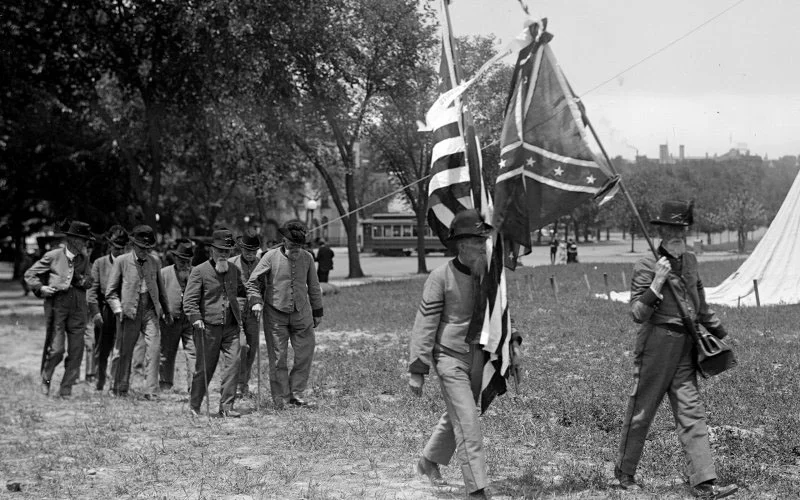
This is a sound view, no doubt about that. But if you don’t think symbols matter, think about how tenaciously people fight to hold onto them. And more than that: In terms of our political culture, the pending removal of the Confederate battle flag from South Carolina’s capitol grounds, and now Mississippi’s state flag—and, don’t forget, from WalMart’s shelves—represents a rare win for North over South since Reconstruction.
Read MoreThe Reverend Clementa Pinckney, pastor of the historic Emanuel African Methodist Episcopal Church in Charleston, South Carolina, was murdered last week at a Bible study session in his own house of worship. What he died for is almost impossible to capture or clarify right now. But one cause he definitely died for in witheringly painful irony, was the reconciliation of the Civil War in the city where it began.
Read MoreWe don’t know much about Dylann Storm Roof, but one of the questions we will want answered is just how calculated his actions were on Wednesday, June 17th, when he entered the famous Emanuel African Methodist Episcopal Church on Calhoun Street, sat for an hour of Bible study, and then murdered nine members of the congregation.
Read MoreIn April 2011, the editors of Disunion, The New York Times’s series on the Civil War, convened a panel of historians to mark the 150th anniversary of the Confederate assault on Fort Sumter and the onset of the four-year conflict. Before a sold-out audience at the Times Center in New York City, the panelists – David Blight, Ken Burns, Adam Goodheart and Jamie Malanowski – discussed the origins of the conflict, the role of slavery and the immense challenges facing a still-new president.
Read MoreThis Memorial Day, as we head to the lake and the beach, grill and drink, shop and save, lay out in the sun or seek shady places, we must remain cognizant that the holiday didn’t begin as a day of celebration or commerce but one of solemnity and, indeed, memoriam.
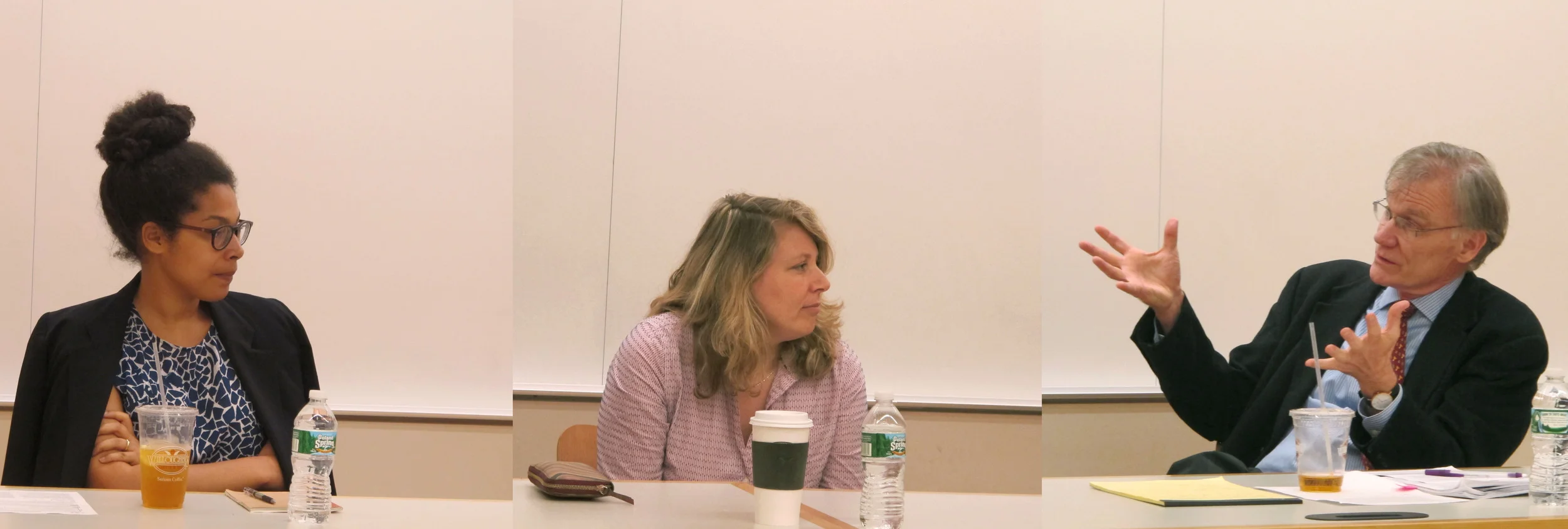
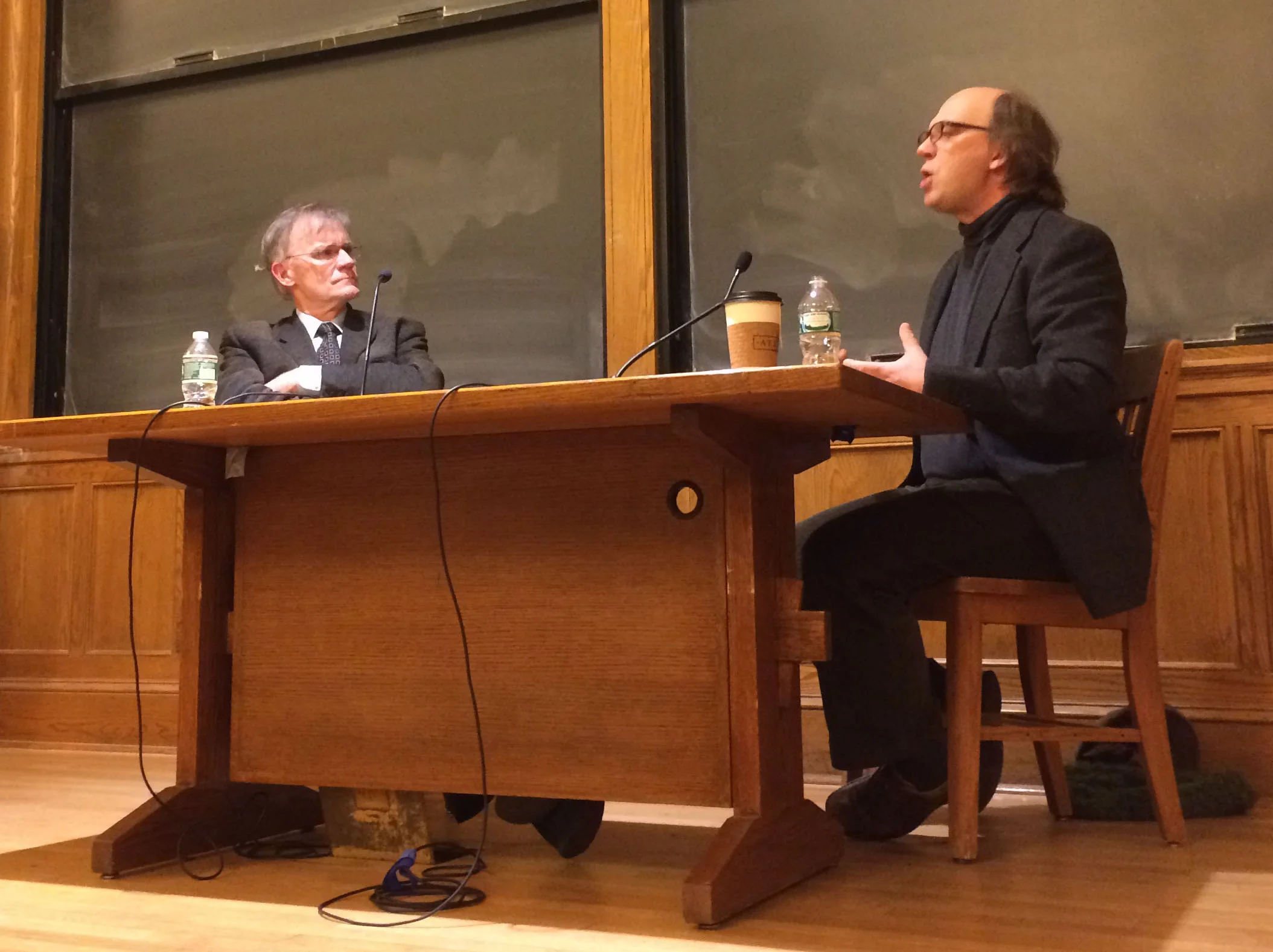
Read MoreDavid Blight sat down with Jackie Sibblies Drury, playwright and winner of the 2015 Windham-Campbell Prize and Rebecca Prichard, playwright and 2014/15 Gilder Lehrman Center Human Trafficking and Modern Day Slavery Fellow, to discuss race, memory and performance.
Read MoreAlistair Cooke was a British journalist and broadcaster, who presented Letter from America on BBC Radio for nearly 60 years. To commemorate his life and work, the BBC has invited historian Prof David Blight of Yale University to present the 2015 Alistair Cooke Memorial Lecture.
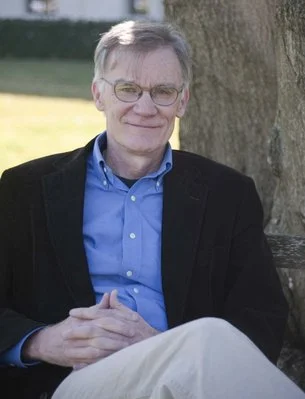
Read MoreDavid W. Blight, Yale University
Americans understand that Memorial Day, or "Decoration Day," as my parents called it, has something to do with honoring the nation's war dead. It is also a day devoted to picnics, road races, commencements, and double-headers. But where did it begin, who created it, and why?
Read More"First things are always interesting, and this is one of our first things," declared Frederick Douglass on April 14, 1876, in Washington D. C., in the most extraordinary public address ever delivered by an African American to that date. Extraordinary for its argument and its audience.
Read MoreIn 1961-65, the centennial commemoration of the Civil War was a political and historical debacle. Fraught, to say the least, by cold-war nationalism, racism among its leadership as well as the general populace, an enduring hold of the Lost Cause on popular imagination, and a country violently divided by the civil-rights movement, the official Civil War centennial refused to face the challenge of causes and consequences. Instead, a reconciliationist, Blue-Gray celebration of soldiers' valor and re-emergent national greatness forged out of conflict dominated the scene.
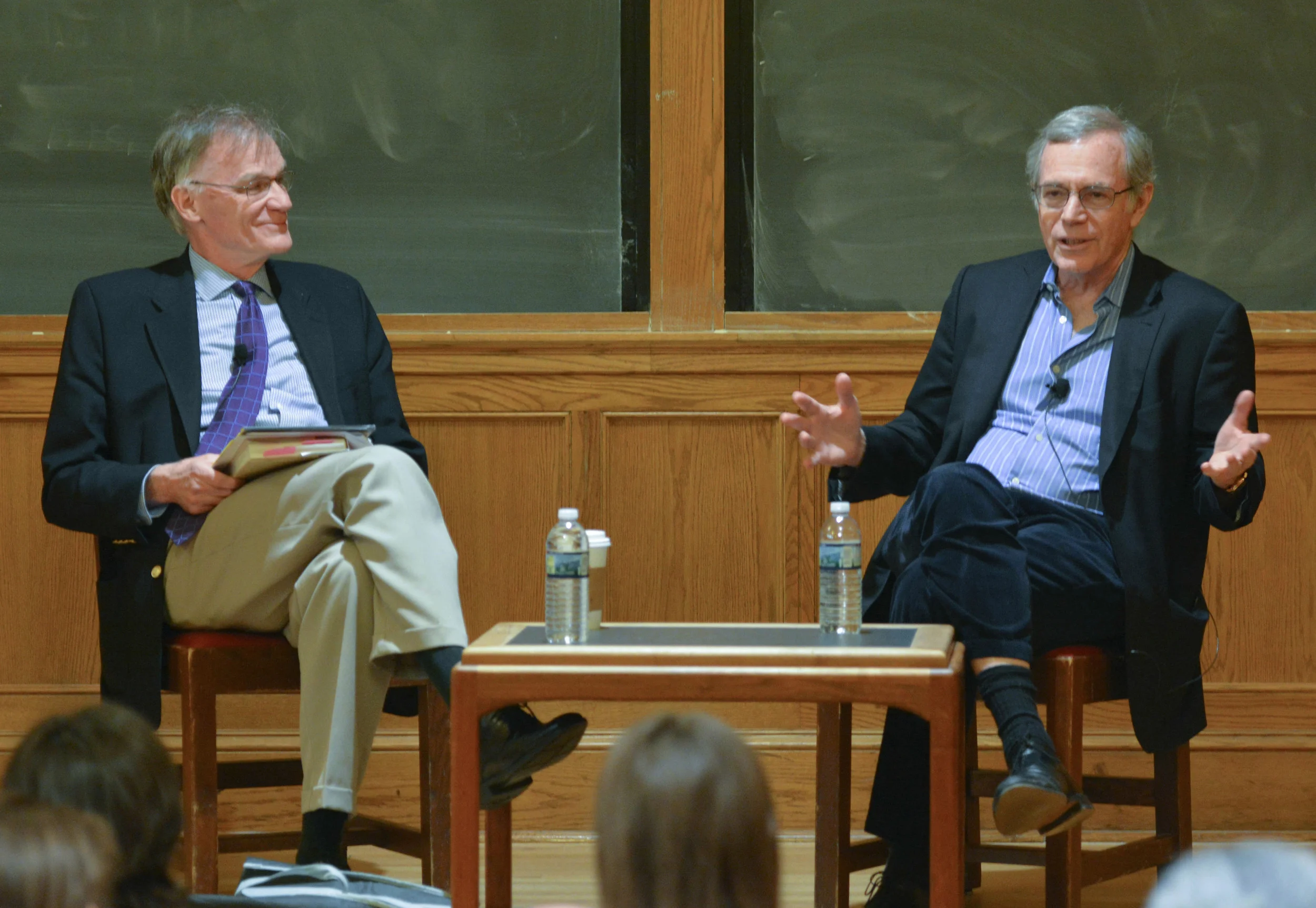
Read MoreDavid Blight sat down with Eric Foner, DeWitt Clinton Professor of History at Columbia University, to discuss Foner's new book, Gateway to Freedom, about the Underground Railroad in New York.
Read MoreOn this 150th anniversary of the surrender at Appomattox, Americans mark the end of the Civil War. The questions at the heart of the war, though, still occupy the nation, which has never truly gotten over that conflict.
Read MoreWho Should Decide How Students Learn About America’s Past?: Some politicians want to get rid of the AP U.S.-history curriculum because it paints a cynical picture of the country's backstory.
Read MoreLessons from the Past for Leadership Today at the CIC’s 2015 Presidents Institute
Read MoreDavid Blight sat down with Greg Grandin, Professor of History at New York University, to discuss Grandin's recent book The Empire of Necessity: Slavery, Freedom, and Deception in the New World.
Read MoreIn this video, President Chase Robinson of the Graduate Center introduces the conference, and David W. Blight of Yale University gives the keynote address, on October 17, 2014, in Elebash Recital Hall.
Read MoreWhy can’t we just get over the Civil War in America?
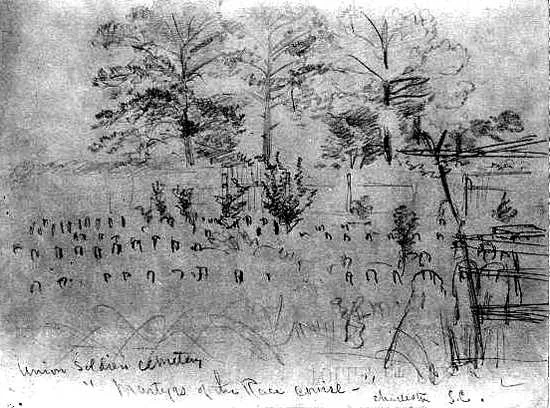
Read More"A pencil drawing and a grainy photo in the Library of Congress are all that is left of the cemetery where 257 Union soldiers were buried after the Civil War on what had been a race course in Charleston, South Carolina.
Read More